
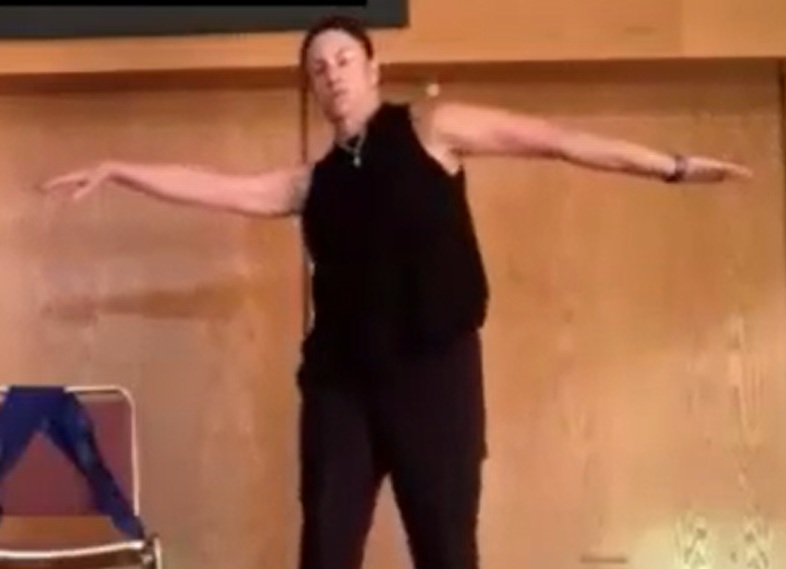
Flexibility
-
- Increased Range of Motion: Twisting movements lengthen the muscles surrounding the shoulder joint, including the chest and upper back, which helps maintain and restore the body’s natural range of motion.
-
- Joint Health: Rotating the shoulder girdle prevents the hardening of joints and reduces stiffness that often accumulates from sedentary habits or overtraining.
-
- Spinal Mobility: Many shoulder twist variations involve the thoracic spine, enhancing its ability to rotate and reducing the risk of compensation-related injuries in the neck and lower back.
Agility
-
- Dynamic Reaction: Twisting motions force you to react quickly when moving from side to side, improving overall reaction time and coordination during sudden movements.
-
- Core Integration: By developing rotational strength, twists allow for smoother transitions between movements, enhancing your ability to change direction rapidly.
Better Balance
-
- Weight Distribution: Improved shoulder mobility helps keep your center of mass over your feet, preventing the body from being pulled out of alignment during reaching or lifting tasks.
-
- Fall Prevention: In older adults, maintaining the ability to coordinate upper and lower body movements through twists significantly reduces the risk of falls.
Strength
- Compound Engagement: These exercises often engage the entire upper body, including the deltoids, lats, and pectorals, while simultaneously toning the deep core muscles.
- Rotator Cuff Fortification: Specific rotations (internal/external) isolate and strengthen the small stabilizer muscles like the infraspinatus and teres minor, which are crucial for shoulder health.
- Functional Power: Twists build “anti-rotational” strength, teaching the body to resist unwanted movement, which is essential for safely lifting.